




Air turbulence
Thermal Comfort (TG 22/2023), written by David Bleicher and Calum Maclean and published by BSRIA in 2023 defines air turbulence as: ‘A measure of the changing air speed measured. The air turbulence is calculated from the average air speed and the standard deviation of these values. It is reported in percent.’
--BSRIA
[edit] Related articles on Designing Buildings.
- BSRIA.
- BSRIA articles.
- Comfort in low energy buildings.
- Evolving opportunities for providing thermal comfort.
- Healthy excursions outside the thermal comfort zone.
- Heat stress.
- Predicted mean vote.
- Predicted percentage dissatisfied.
- Psychometric charts.
- Retrofit and traditional approaches to comfort.
- Thermal comfort and wellbeing.
- Thermal comfort.
- Thermal pleasure in the built environment.
Featured articles
Check out some of the best features and news from Designing Buildings as well as key stories from around the web.

Government approach could undermine delivery and regeneration.
World's first mass timber data centre.
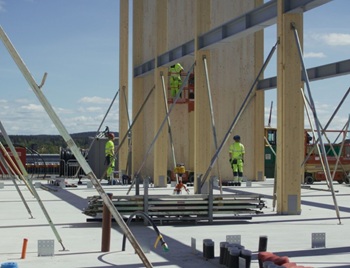
The overlooked environmental aspect of data centre development.
Introduction to radon awareness

New technical information sheet published by CIOB.

Updated supplier guide can help electrical contractors engage with NHP.

CIAT confirm the winners of the 2026 architectural technology awards.

Government launches a one stop shop for flood preparedness.

Sir Edwin Lutyens: Britain's greatest architect? Book review.

CIOB publishes free template to help assess and manage risks.
ECA's reflections on Party Conference season

Burnham wants to be confident of winning before asking for a fresh mandate.
New Chief Construction and Scientific Adviser

Sergio Cavalaro, Professor of Infrastructure Systems at Loughborough University.
Building safety levy for England

CIAT publish estimator tool for members.
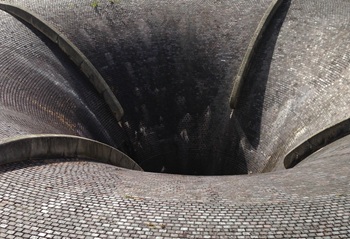
Water sector faces a growing crisis that could slow the delivery of vital infrastructure.
Comments
[edit] To make a comment about this article, or to suggest changes, click 'Add a comment' above. Separate your comments from any existing comments by inserting a horizontal line.